
Search for a martial art, activity, teacher, instructor, organisation or training venue. You can also search by city, country or type of practice.

French martial art drawing on Japanese traditions, combining evasions, joint controls, throws, immobilisations and weapons training, with an emphasis on effectiveness without brutality.
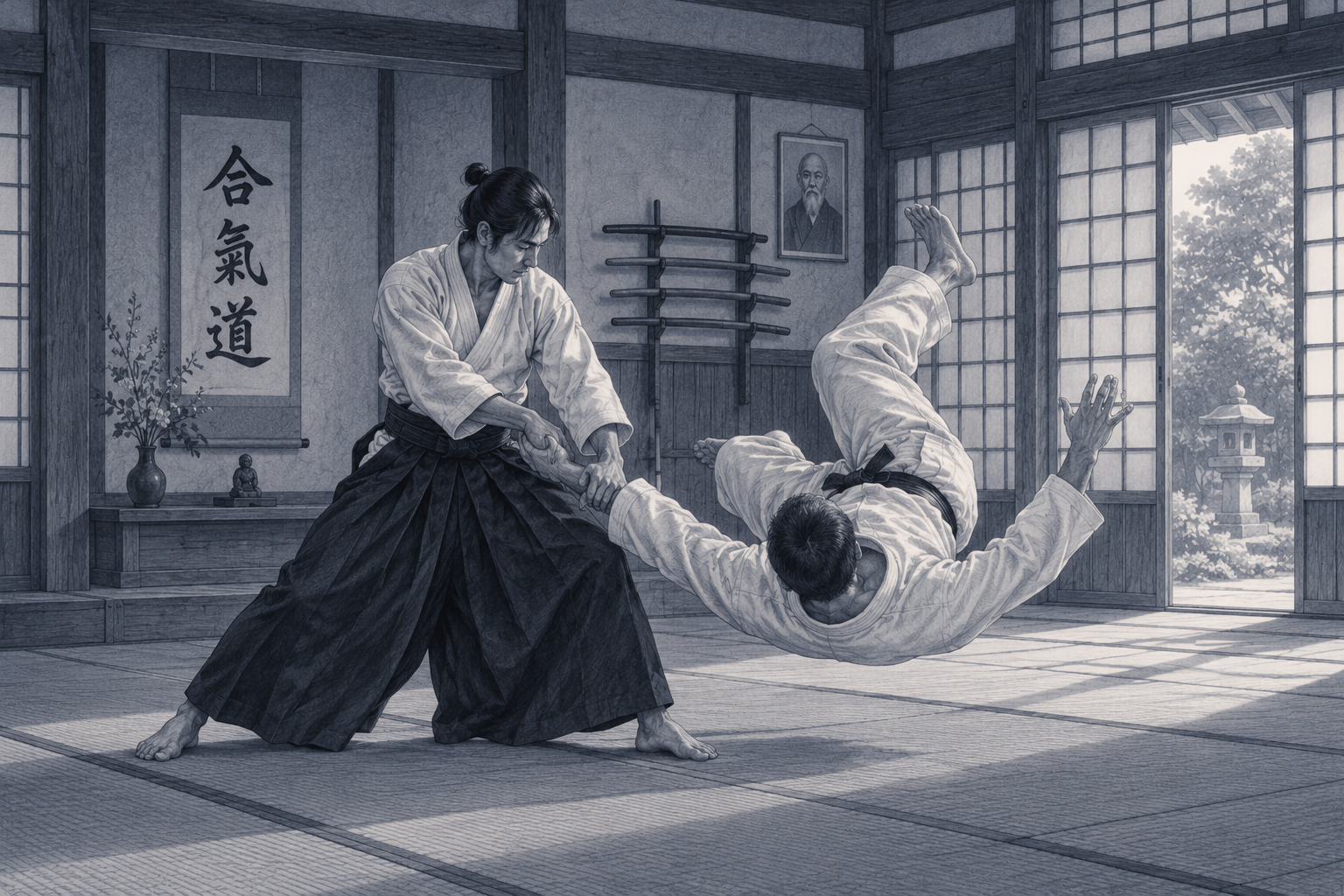
Japanese martial art based on movement, off-balancing, throws and joint controls.
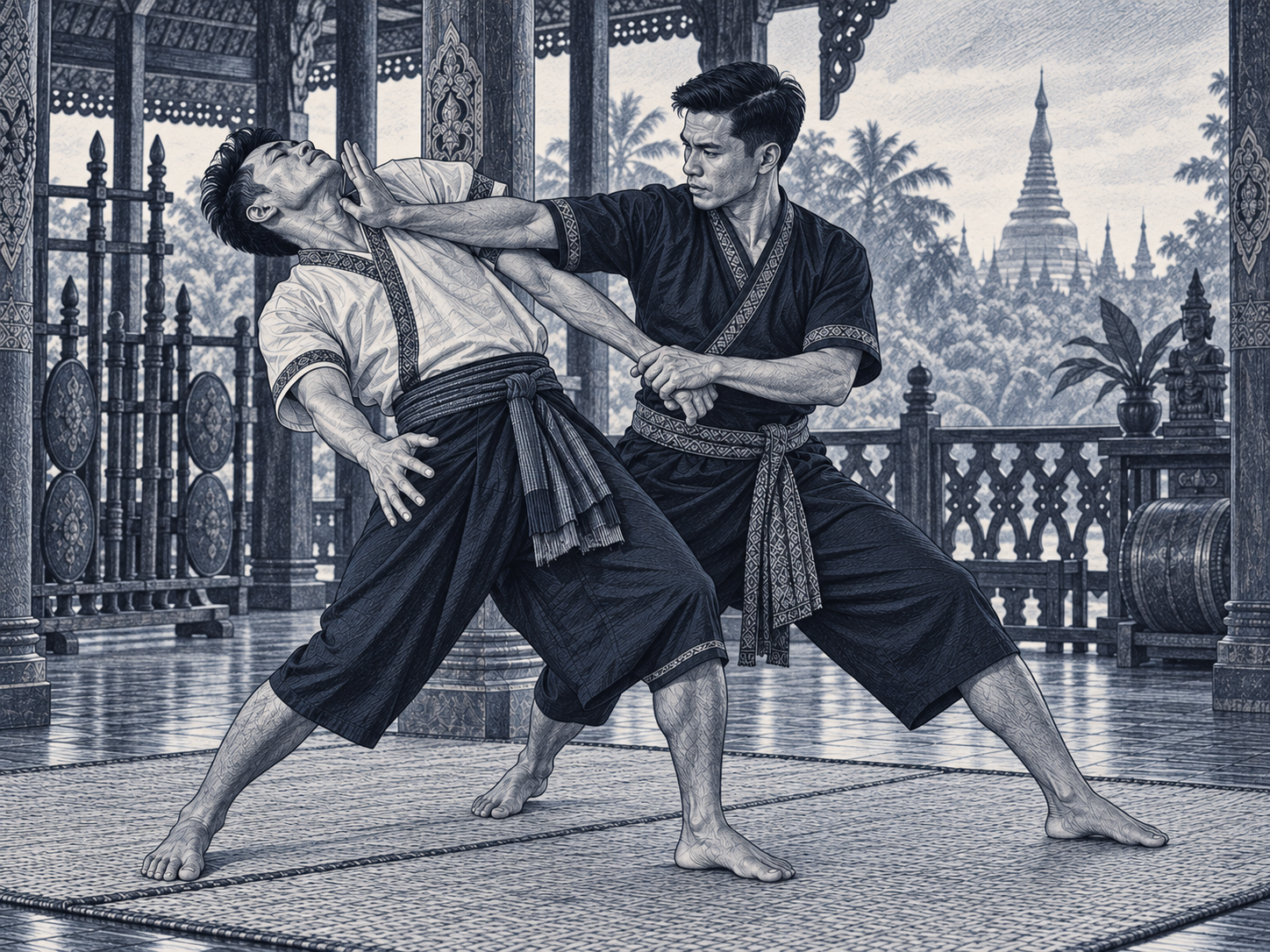
Traditional unarmed martial art from Myanmar, developing footwork, defence, counterattacks, striking, control and adaptability. It belongs to the Thaing traditions alongside Banshay, Naban and Lethwei.

The armed branch of Myanmar's martial heritage, developing precision, distance, footwork, timing and control with the dha, staff, spear, dagger and other weapons depending on the school.
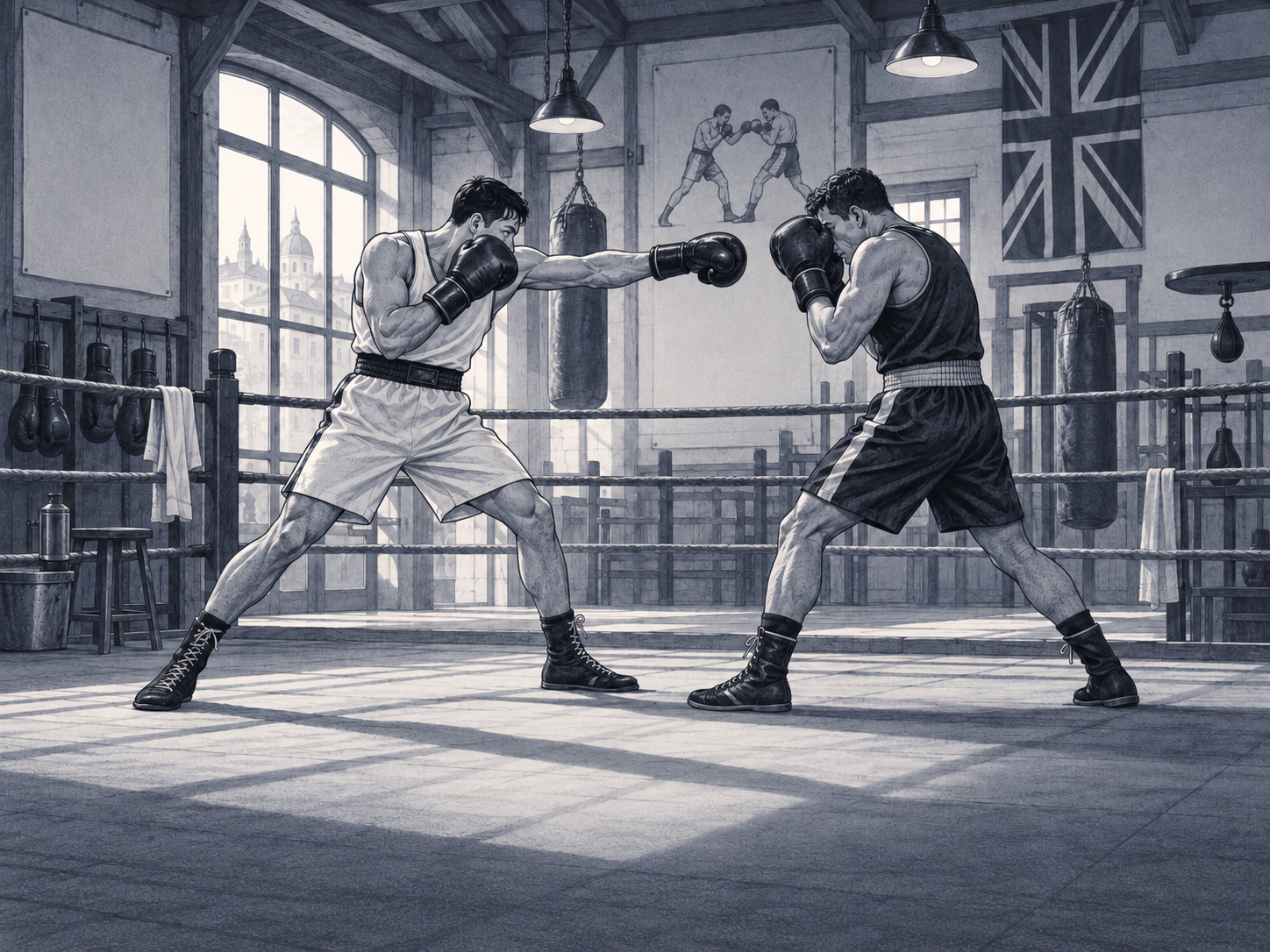
Striking combat sport using the fists only, developing footwork, guard, evasions, precision, timing, fitness and distance management.
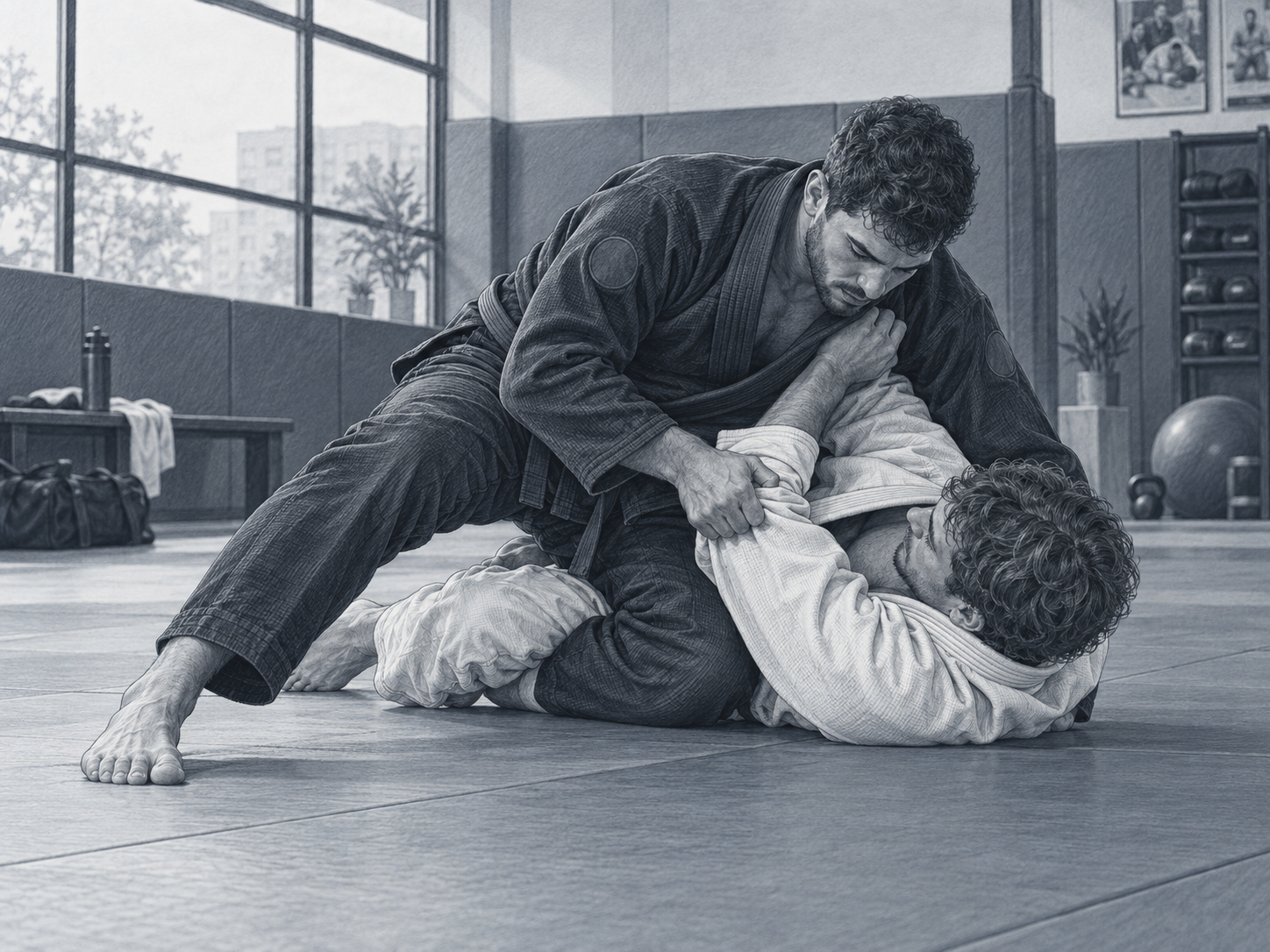
Martial art and combat sport developed in Brazil from Japanese judo and jujutsu. It emphasises ground control, positional reversals and submissions, in gi or no-gi training.

French combat sports using a cane or staff, developing footwork, evasions, precise striking trajectories and distance management.
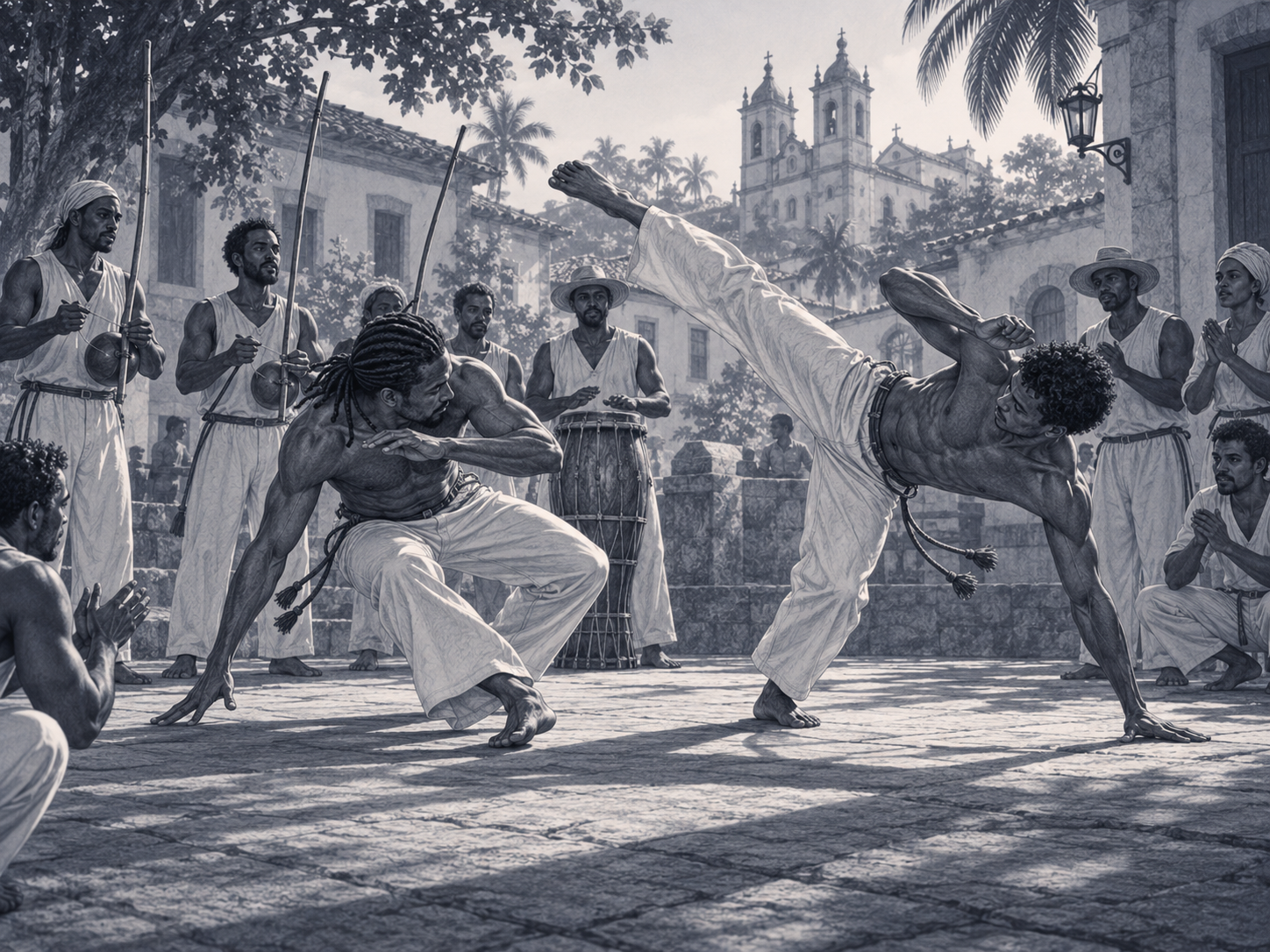
Afro-Brazilian cultural practice combining combat, play, movement, acrobatics, music, singing and collective learning within the roda.
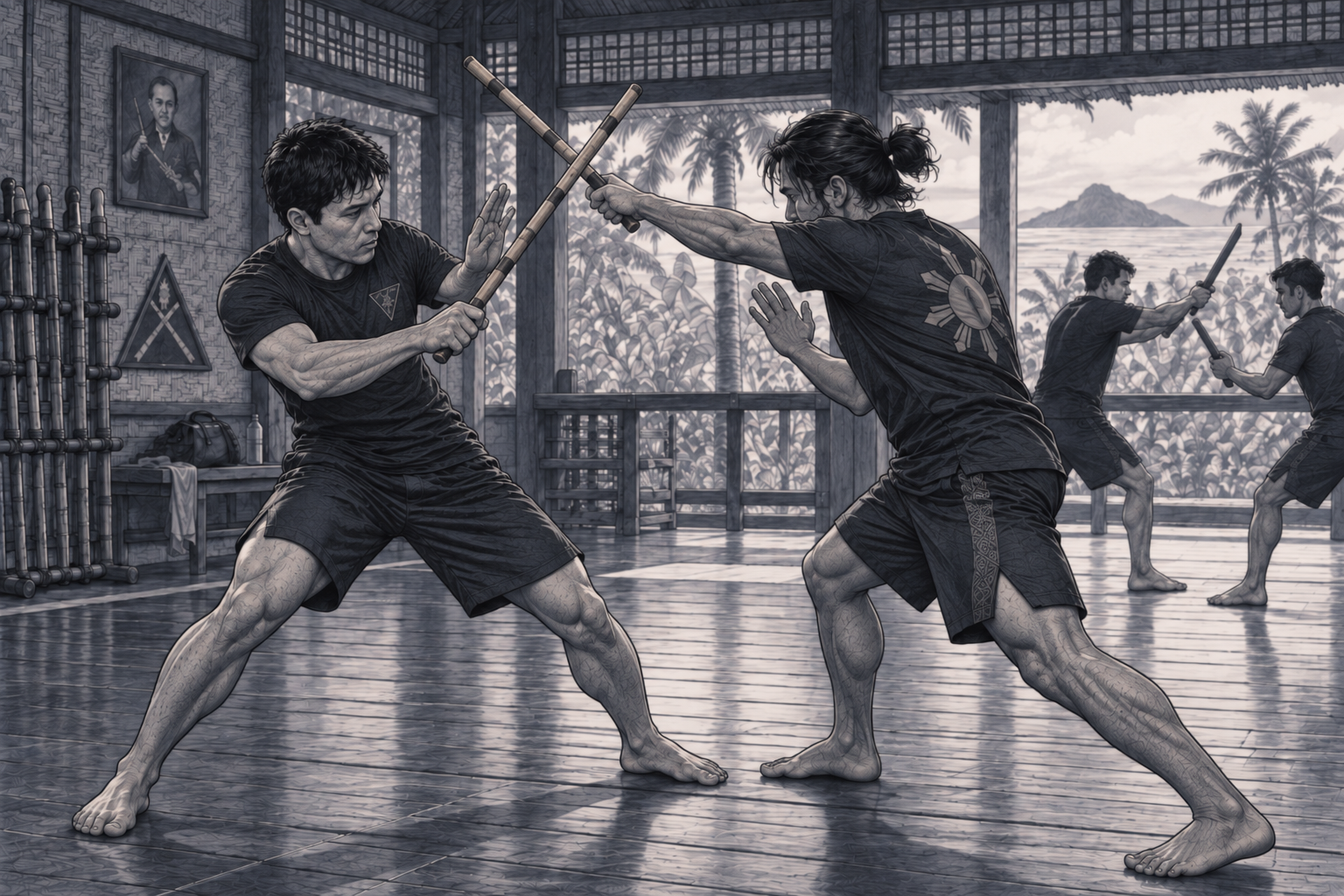
Family of Filipino martial traditions often emphasising sticks, training blades, improvised weapons and transitions to unarmed combat.

Gouren, or Breton wrestling, is a traditional standing wrestling style from Brittany. Wrestlers grip the roched, a wrestling shirt, and seek a lamm: a controlled fall onto the back. The practice combines commitment, control and respect.

Grappling practice focused on takedowns, positional control, reversals and submissions, generally without strikes.

Hapkido is a Korean martial art combining strikes, joint controls, restraints, throws and falls. Depending on the school, training may also include breathing exercises and weapons practice. Classes can focus on technique, self-defence or competition.

Historical European martial arts reconstructed from written and other historical sources, including longsword, rapier, sabre and wrestling.

Iaido is a Japanese sword art practised through kata that combine drawing, prescribed cuts and resheathing, with attention to precision, posture and control.
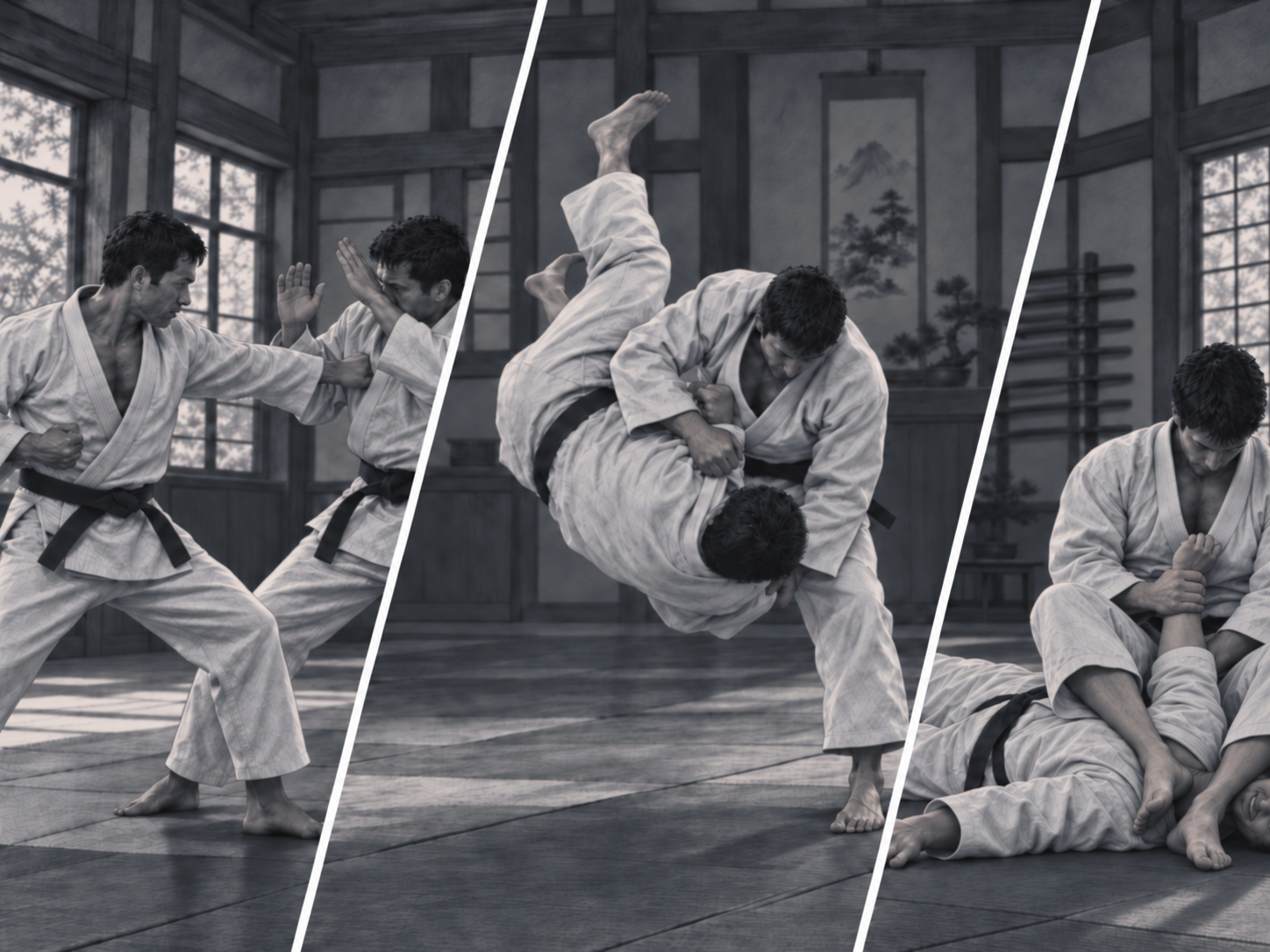
Japanese martial art combining, depending on the school, strikes, throws, joint controls and groundwork.
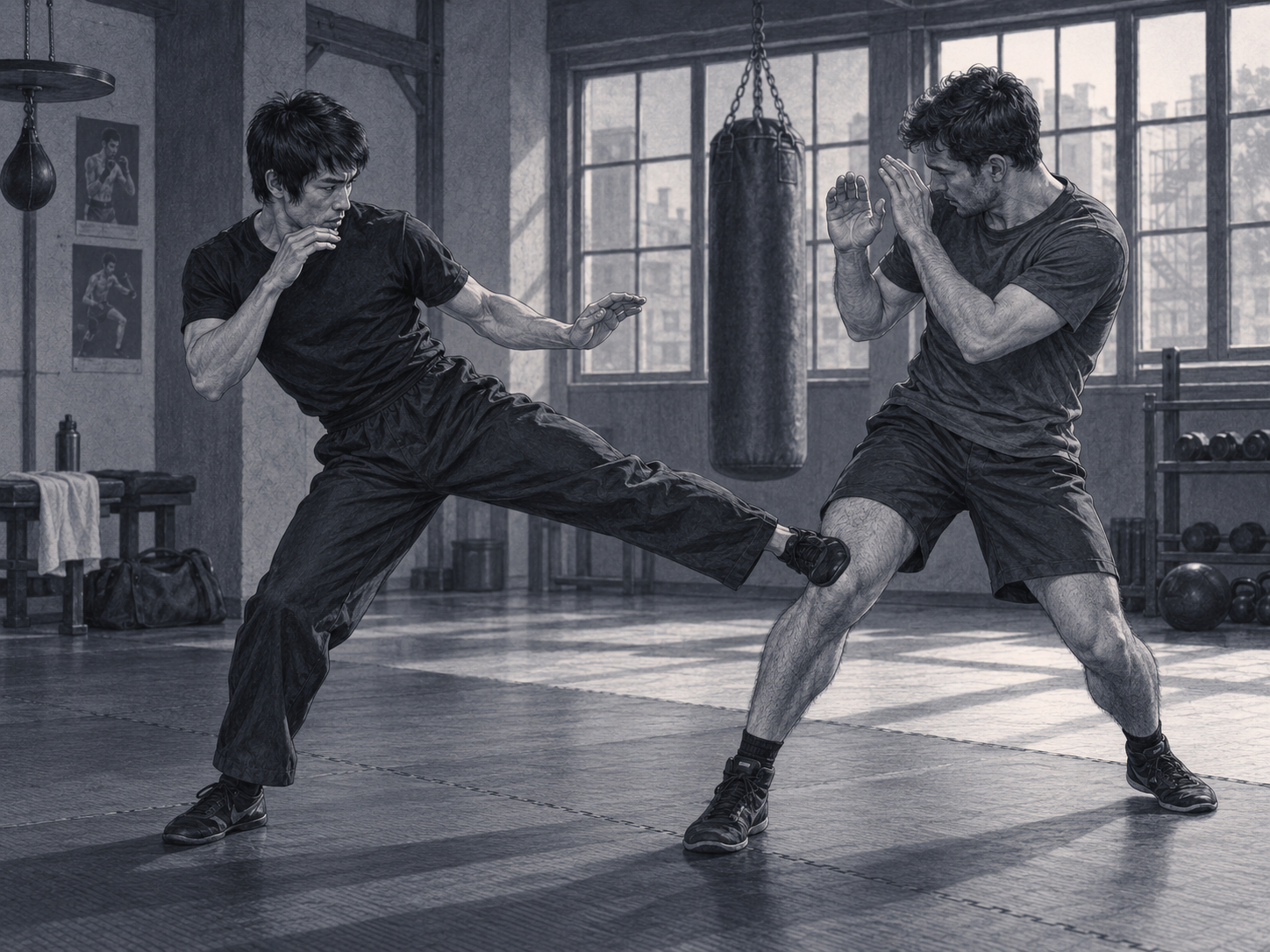
Martial approach developed by Bruce Lee around adaptability, simplicity, effectiveness and freedom from rigid forms.

Jōdō is a Japanese budo practised with a 128 cm (50.4 inches) staff called a jō. In paired kata, one person uses the staff and the other a training sword to work on distance, timing, precision and control.
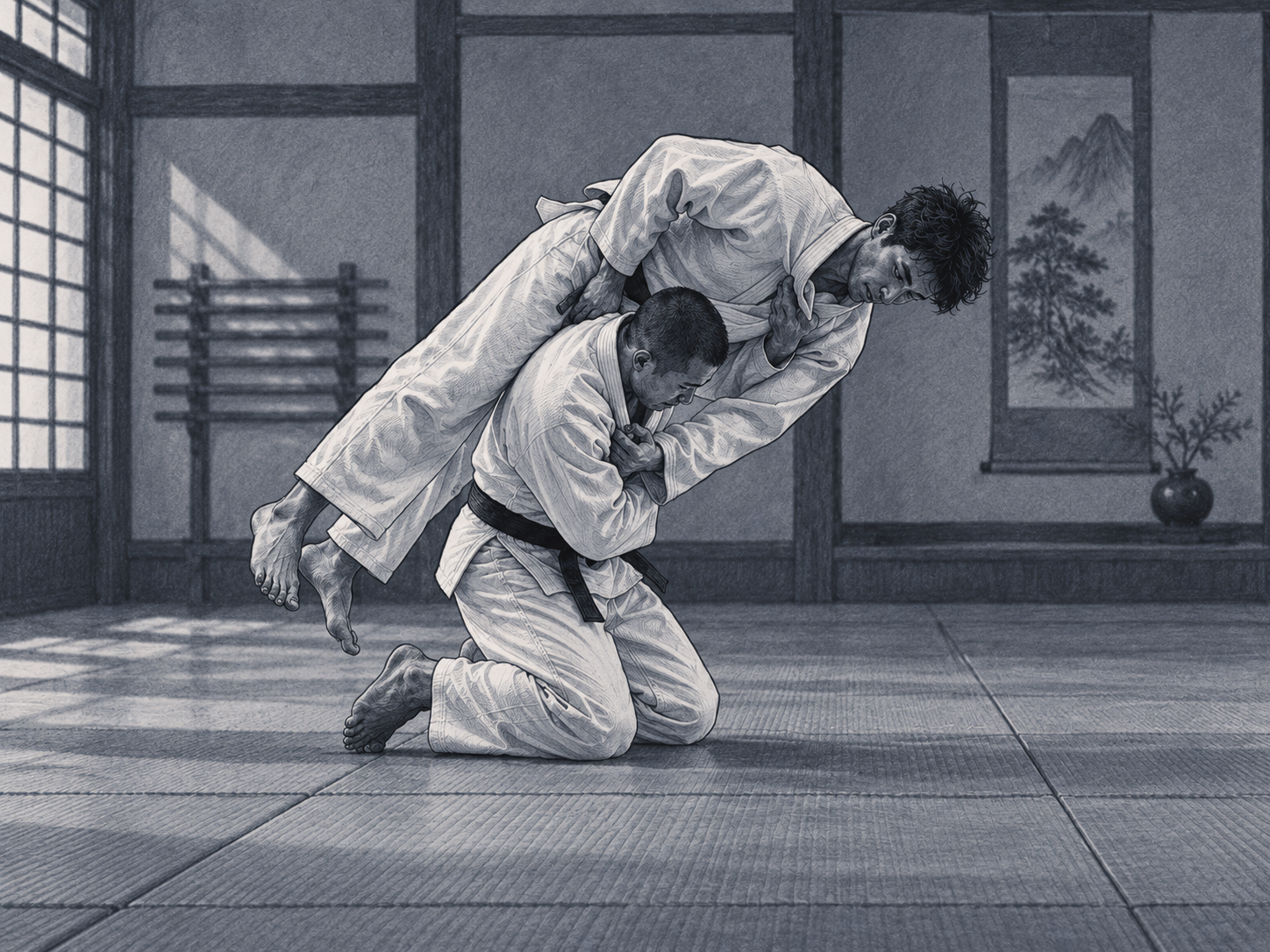
Japanese martial art founded by Jigoro Kano in 1882. Judo uses grips, off-balancing, throws and groundwork, while emphasising learning, control, mutual respect and efficient use of energy.
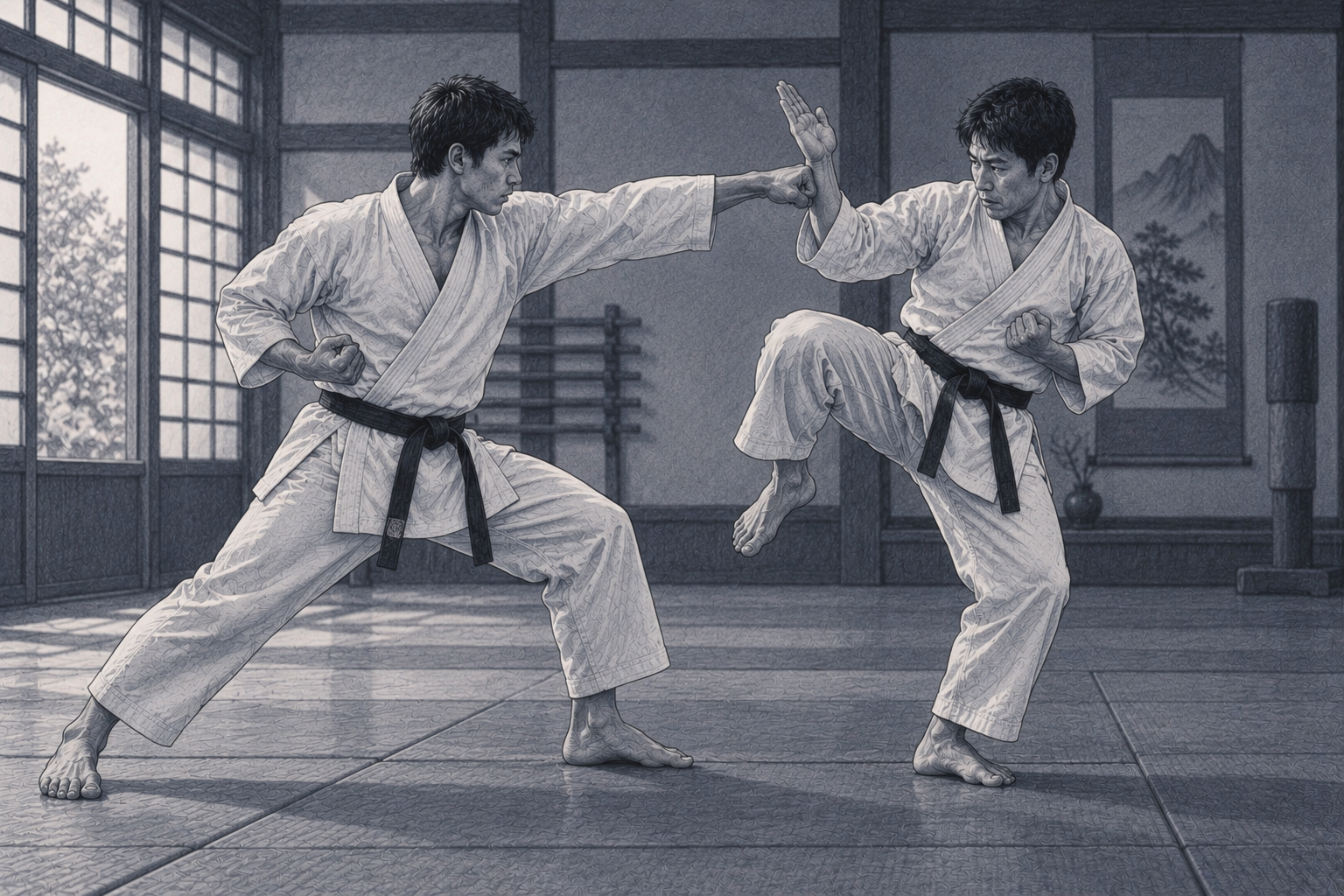
Japanese martial art originating in Okinawa, focused on strikes, movement, formal sequences and, depending on the school, different forms of sparring.

Kendo is a Japanese sword martial art practised with a bamboo shinai and protective armour. Training combines footwork, controlled strikes, partner drills and, depending on the club, refereed matches.
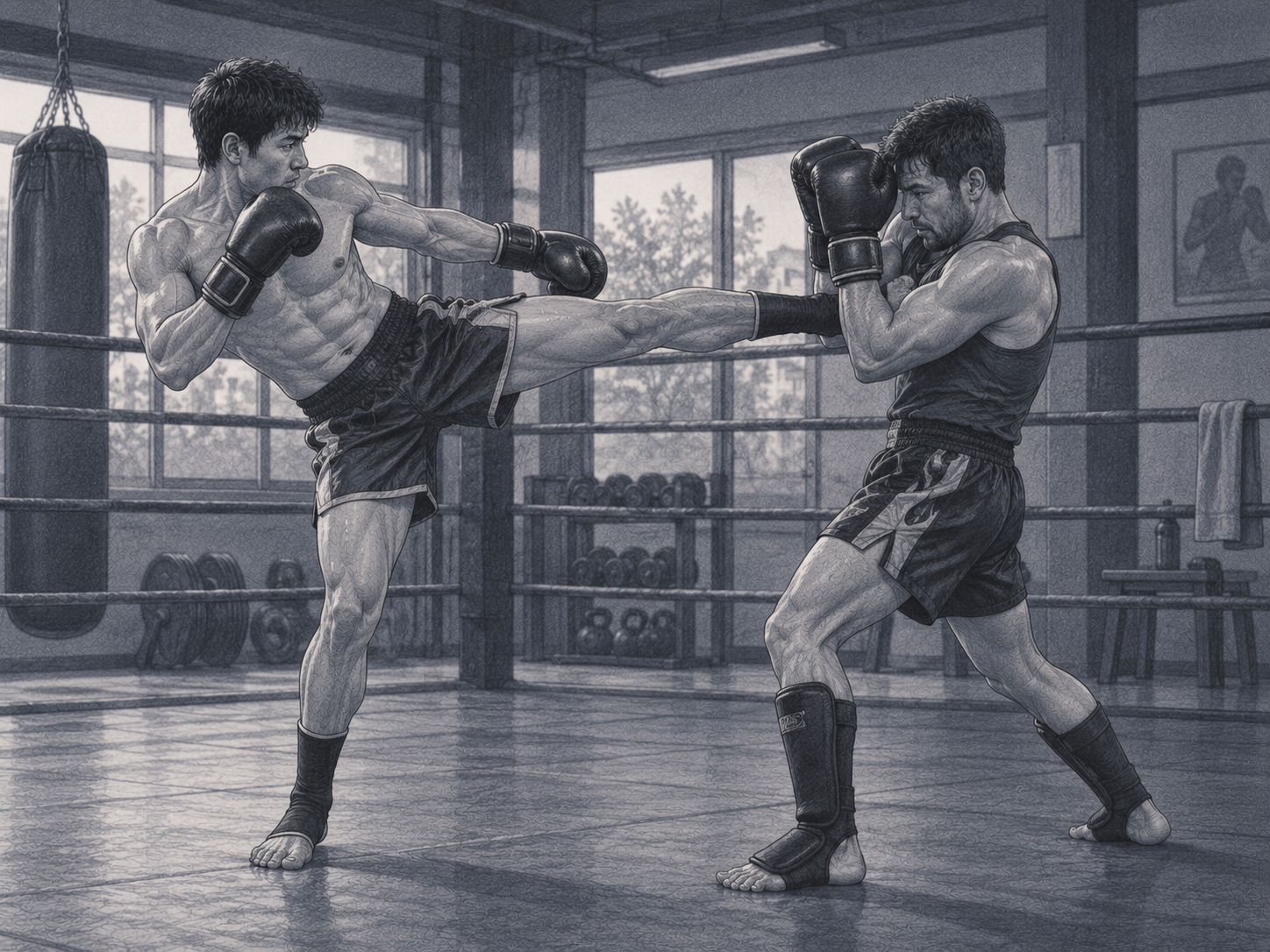
Striking combat sports combining punches and kicks. Rules, permitted targets and levels of contact differ between disciplines and federations.

Kinomichi is a budō created in Paris in 1979 by Masamichi Noro, drawing on aikido. This non-competitive practice explores movement, spirals and the relationship with a partner, empty-handed or with wooden weapons.
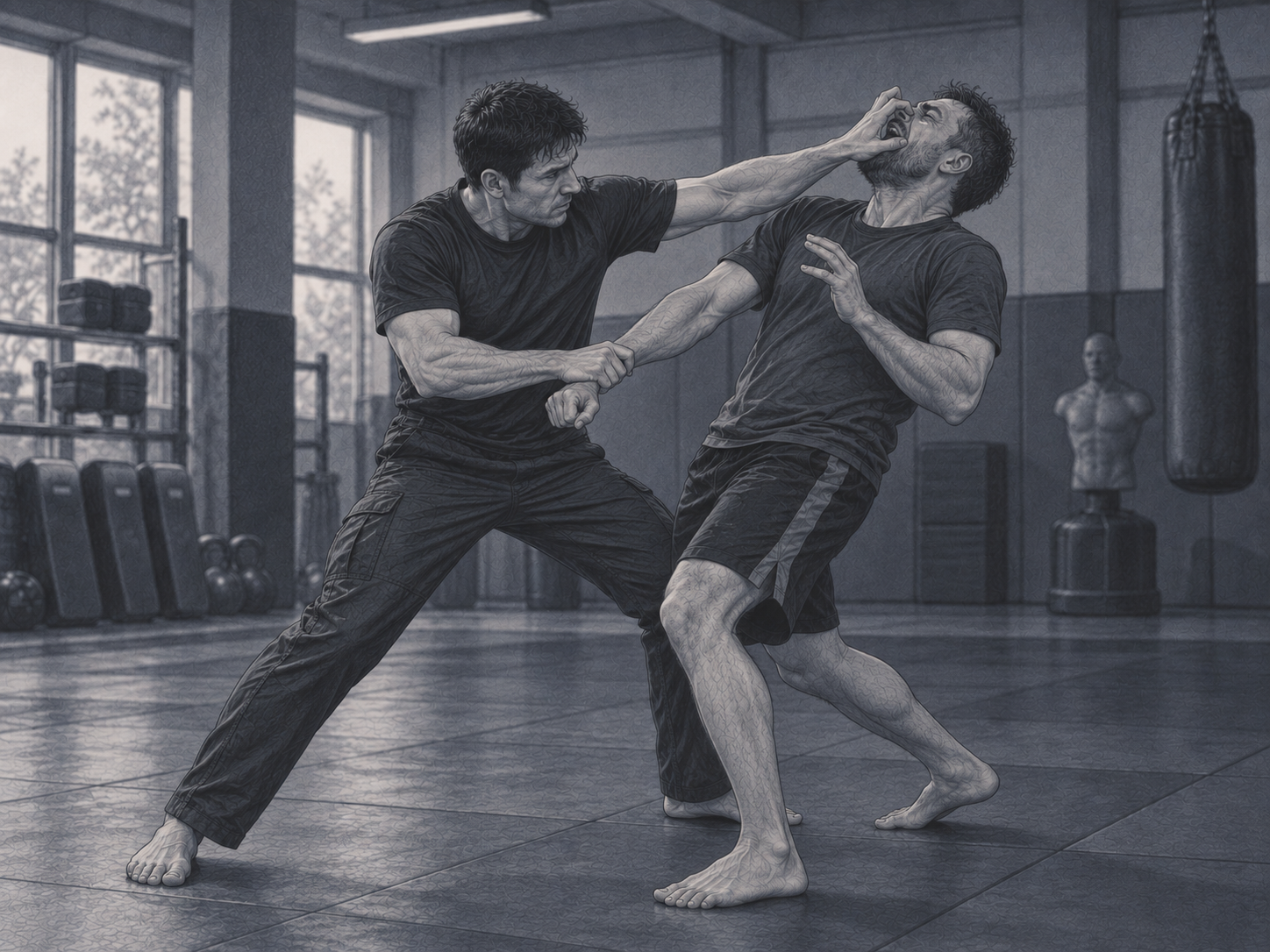
Israeli self-defence method focused on personal protection, responding to threats and escaping dangerous situations.
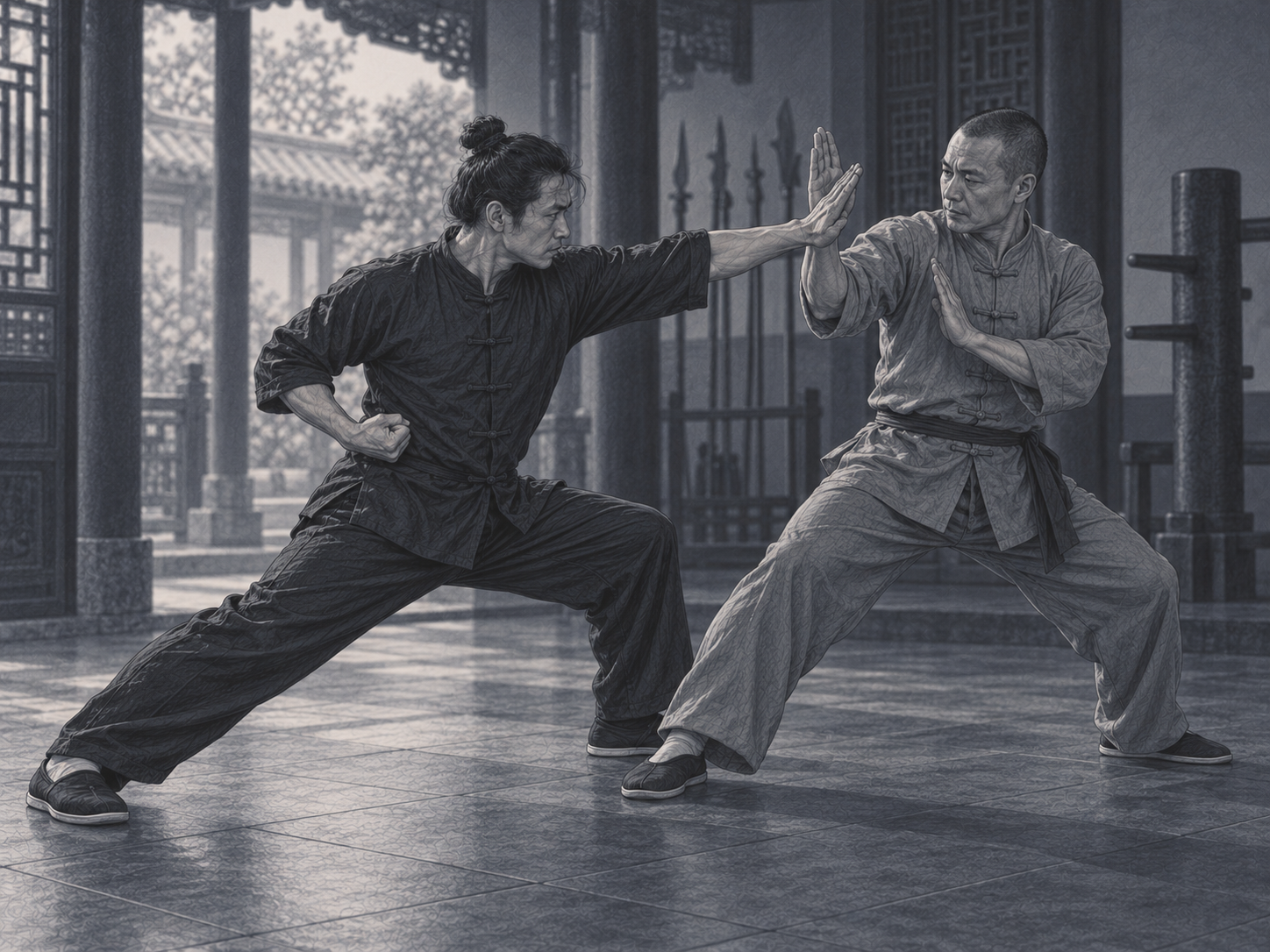
A broad family of traditional and modern Chinese martial arts, including unarmed and weapons practice, combat, forms and health-oriented approaches.

Kyudo, “the way of the bow,” is the Japanese martial art of archery. Its codified practice combines the yumi, posture, precision and concentration in an eight-stage shooting sequence.
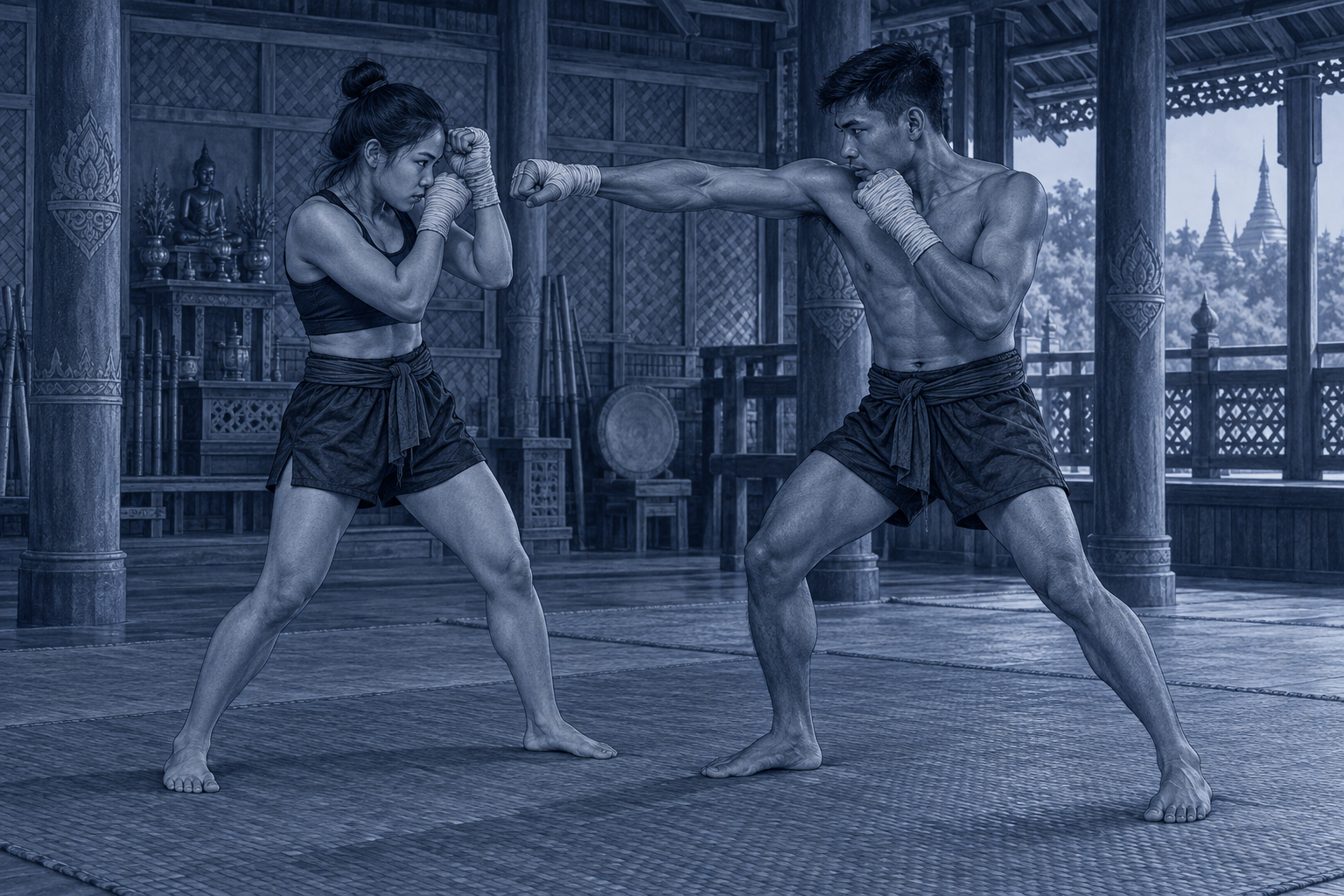
A striking martial art from Myanmar. Lethwei combines strikes, movement and close-range fighting; techniques and protective equipment vary by ruleset and format.
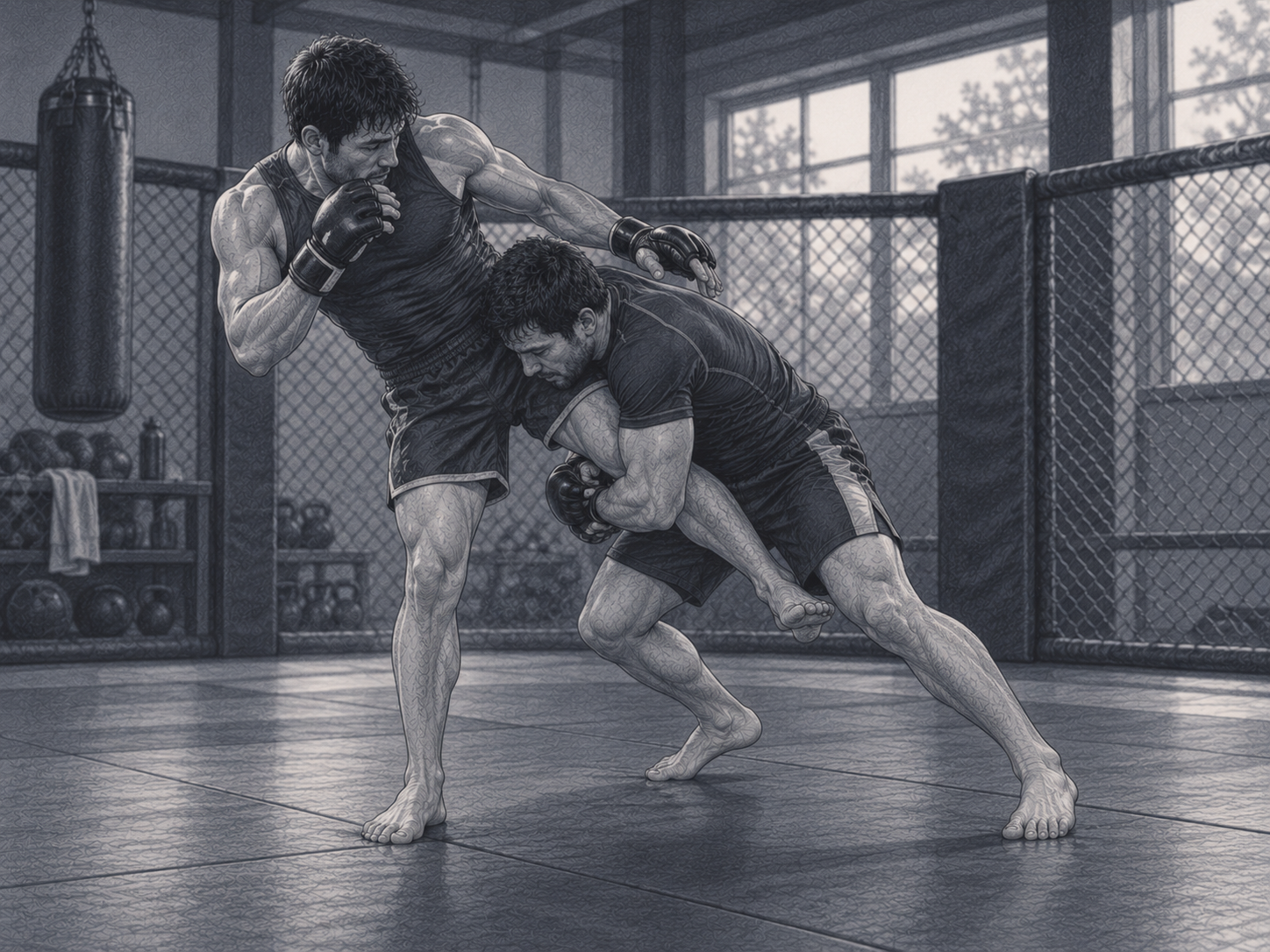
Combat sport combining striking, takedowns, wrestling, ground control and submissions.

Thai martial art and combat sport using punches, elbows, knees, shins and clinch techniques.
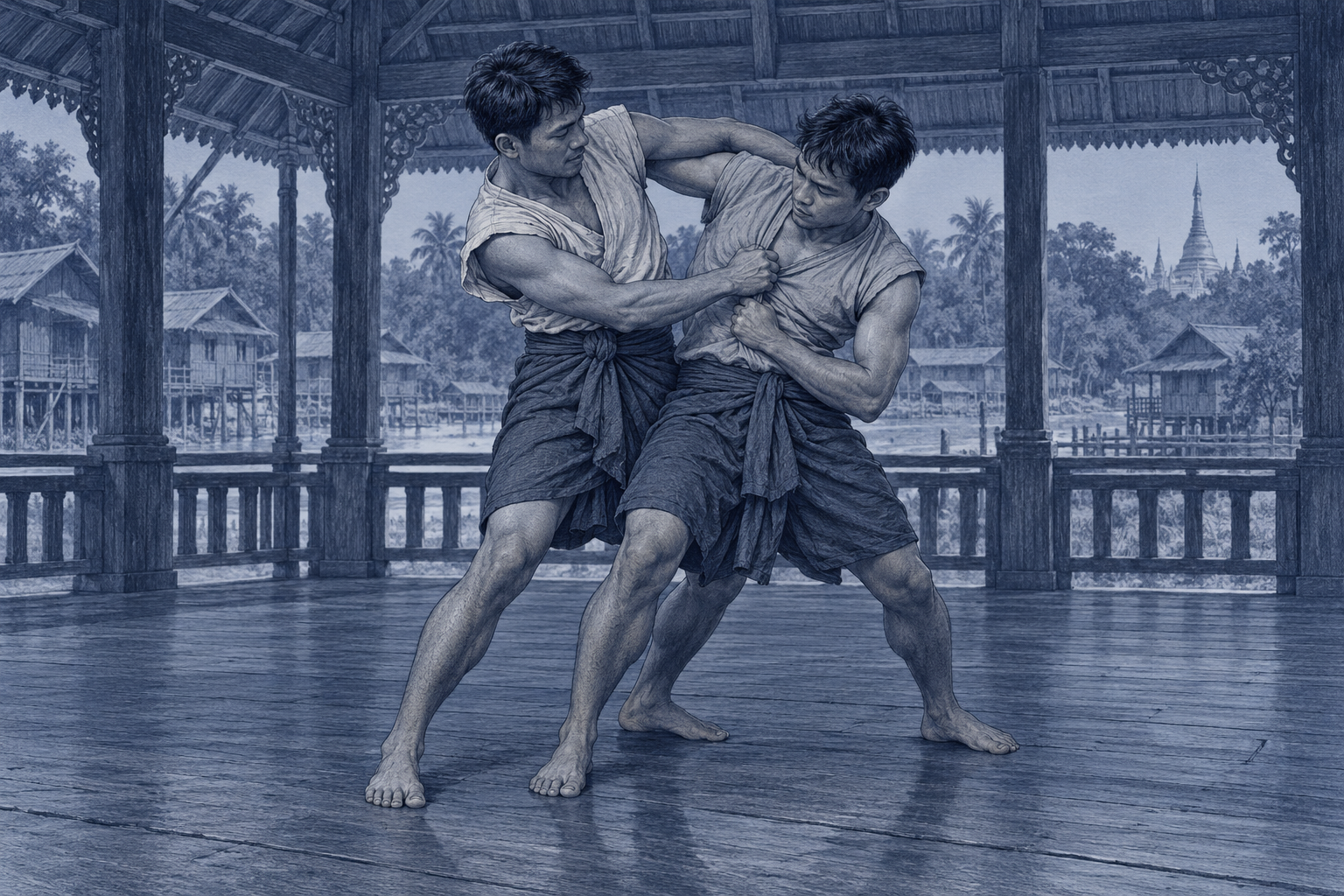
Naban is a traditional wrestling discipline from Myanmar. Practice develops grips, balance, throws, controls and groundwork, with progression adapted to the training setting.

Naginata is a Japanese budō based on handling a long weapon with a curved blade. Modern practice combines technical exercises, kata with a wooden weapon, and bouts using a bamboo blade and protective armour.

Pancrace is a regulated combat sport combining controlled striking, throws and ground work under rules that vary by federation and competition category.
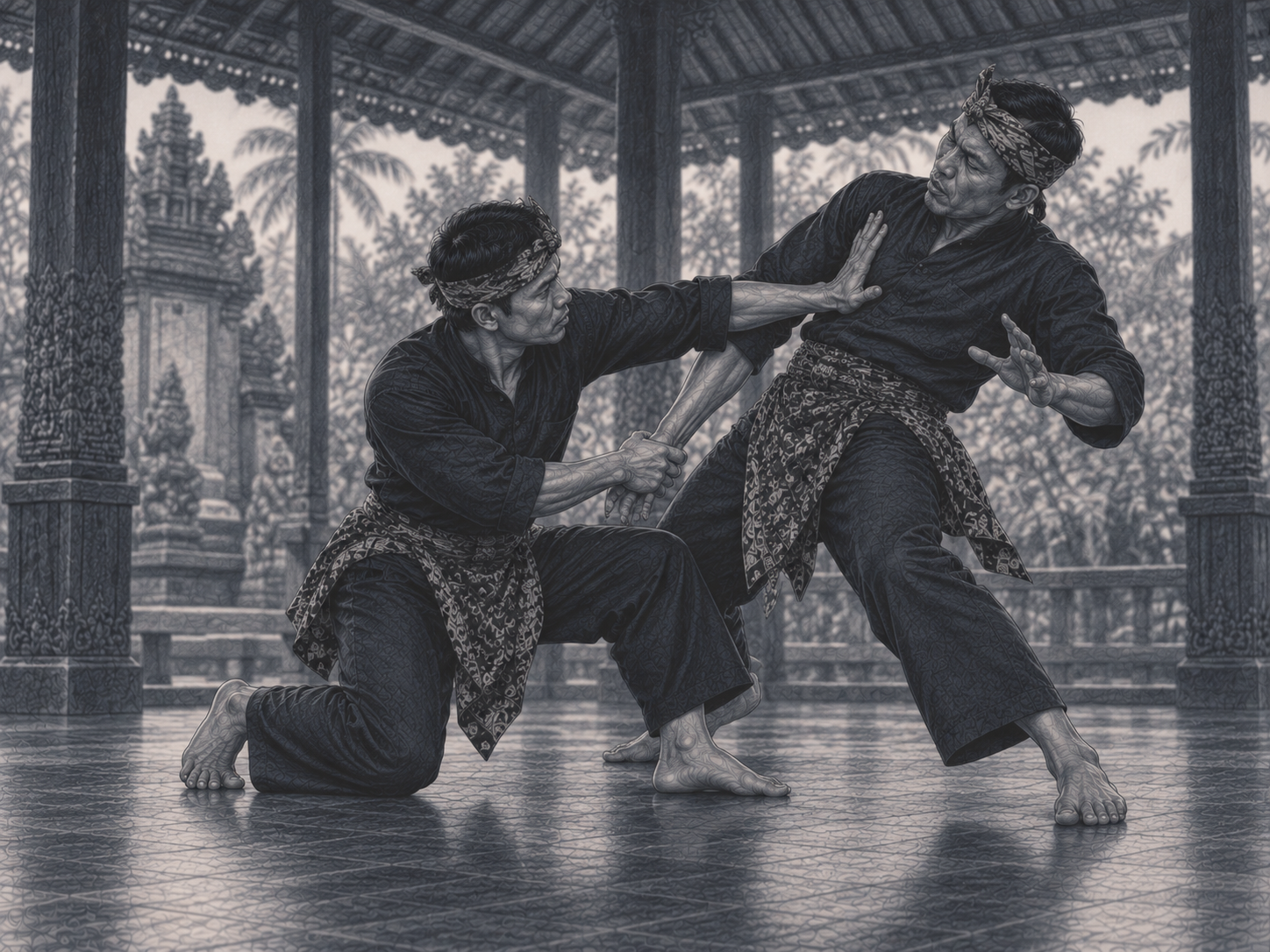
Martial traditions from Indonesia and the Malay Archipelago combining self-defence, unarmed techniques, weapons, and artistic and cultural expression.

A Chinese practice combining posture, movement, breathing and attention. Qigong includes many health-oriented and martial methods, with exercises and aims that vary between schools.
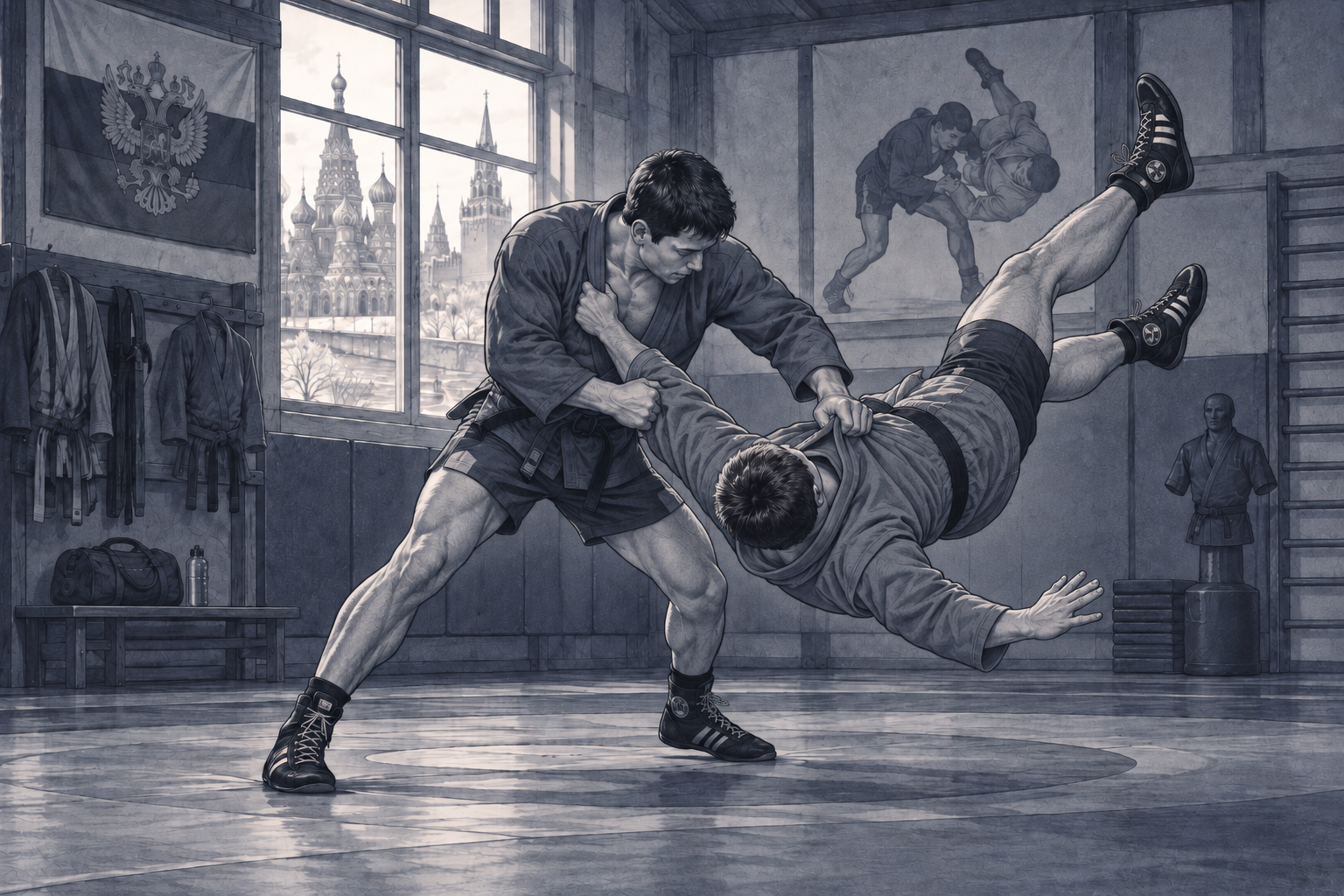
Combat discipline developed in the Soviet Union, focusing on throws, control, pins and submissions, with several distinct forms of practice.
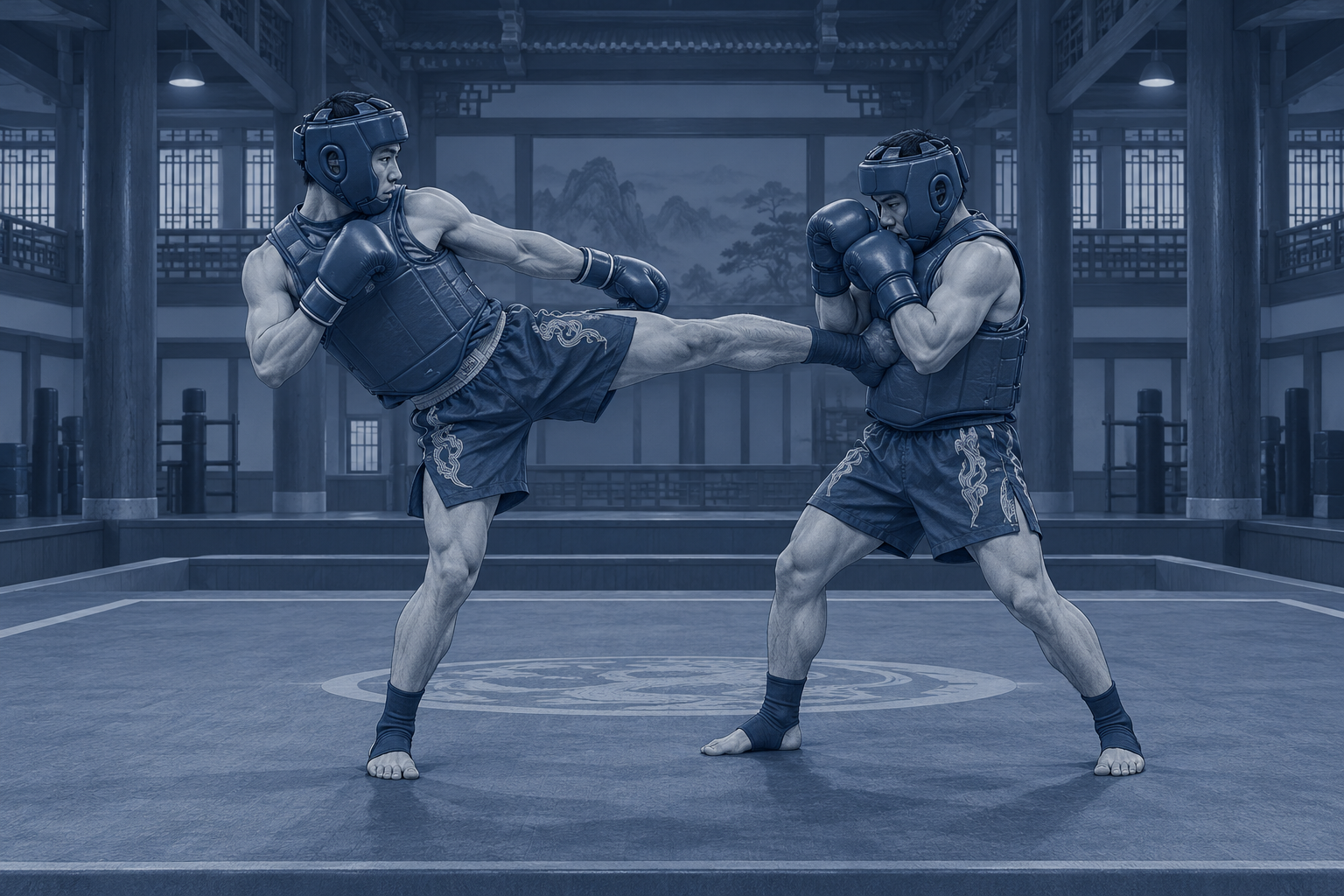
Sanda is a modern Chinese Wushu combat sport combining punches, kicks, defensive techniques and throws under a defined ruleset.

French combat sport combining punches and kicks, with a strong emphasis on precision, footwork, control and tactics.

Senegalese wrestling tradition involving grips and throws, and in some forms striking, within a deeply rooted sporting and cultural context.

Soo Bahk Do is a Korean martial art from the Moo Duk Kwan school. It combines hand and foot techniques, formal patterns, self-defence and breathing practice.
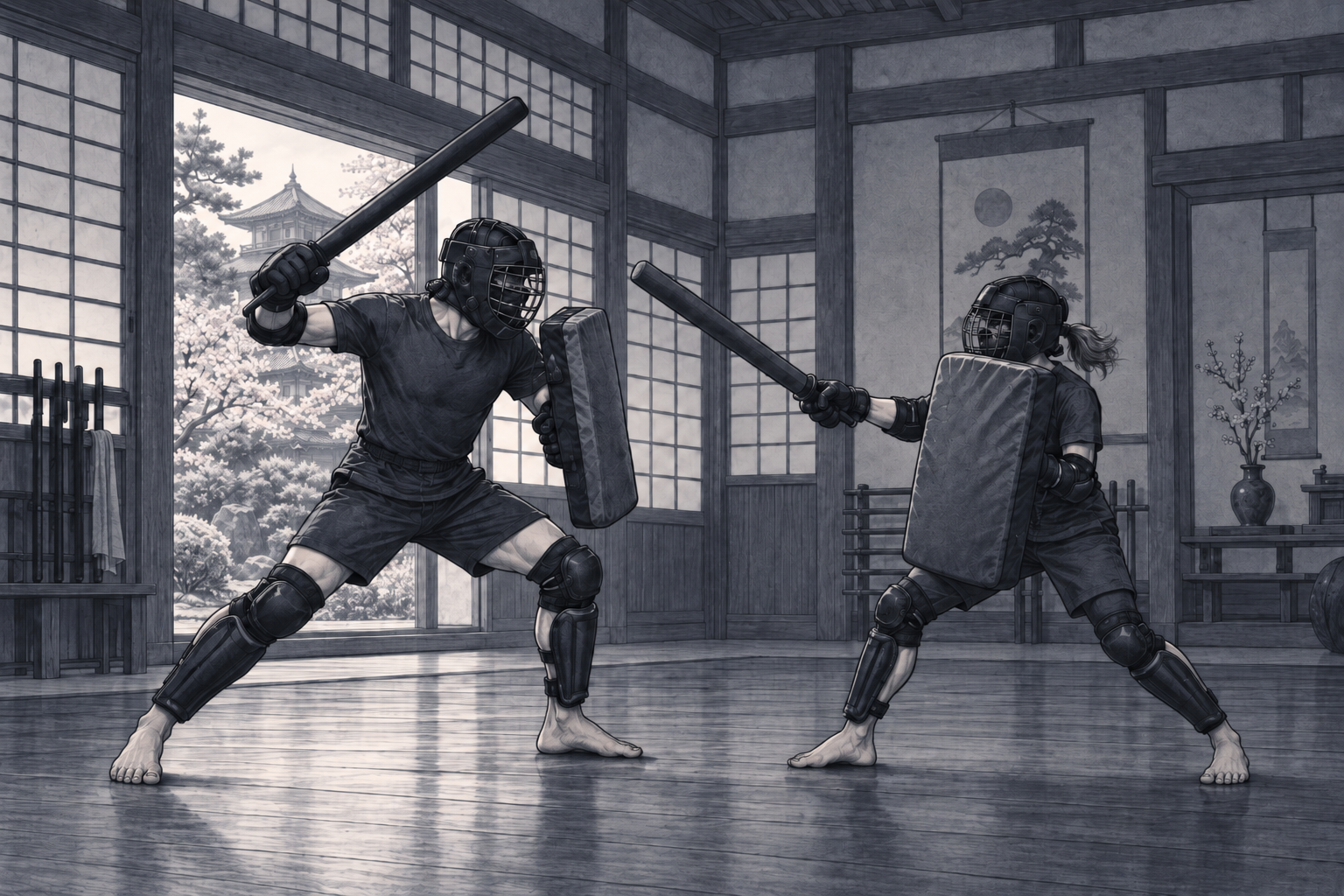
Japanese martial sport created in 1971 by Tetsundo Tanabe. It uses soft, padded weapons to develop distance, precision, movement, decision-making and control in an accessible, playful practice.
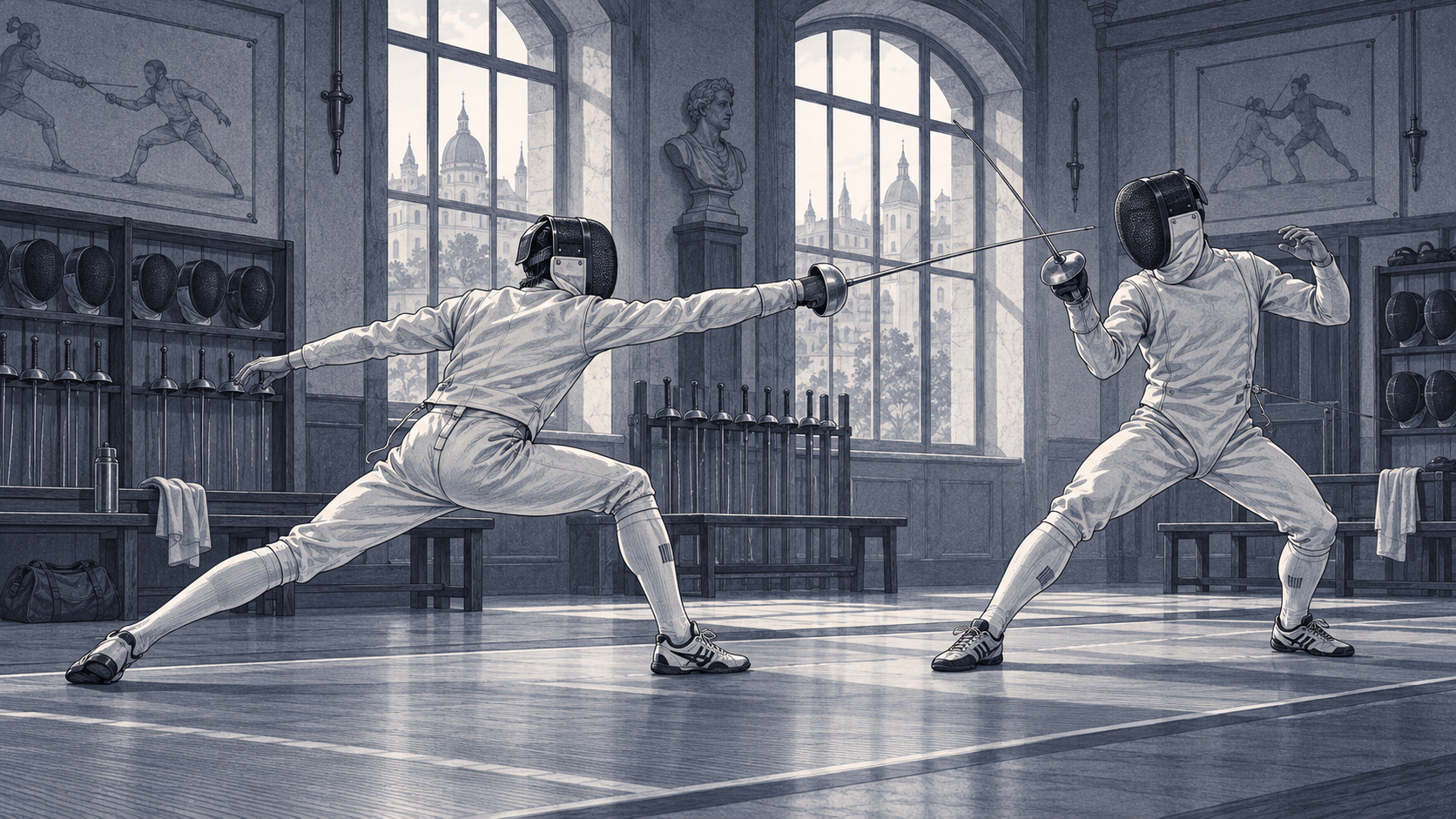
Combat sport using foil, épée or sabre, developing speed, precision, distance, timing, strategy and the ability to score a touch while avoiding being hit.

Korean martial art and combat sport particularly known for kicks, footwork and technical forms.

A Chinese martial art of relaxed, circular movement, practised in solo sequences and, depending on the school, with a partner or weapons.
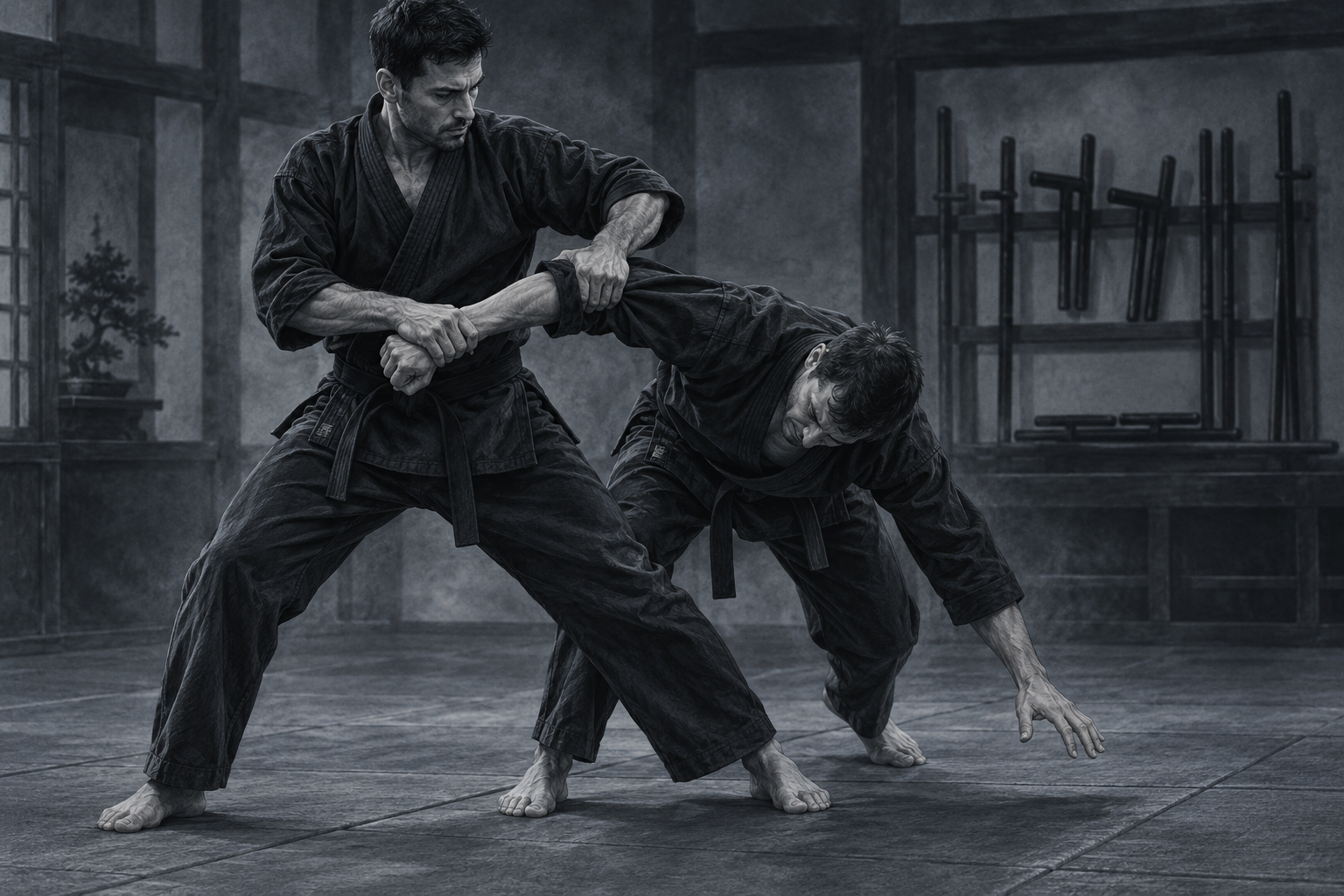
Japanese methods of control, restraint and arrest adapted to police work.

Tang Soo Do is a Korean martial art combining hand and foot techniques, blocks, forms and partner drills. Training content, contact level and weapons practice vary between schools.
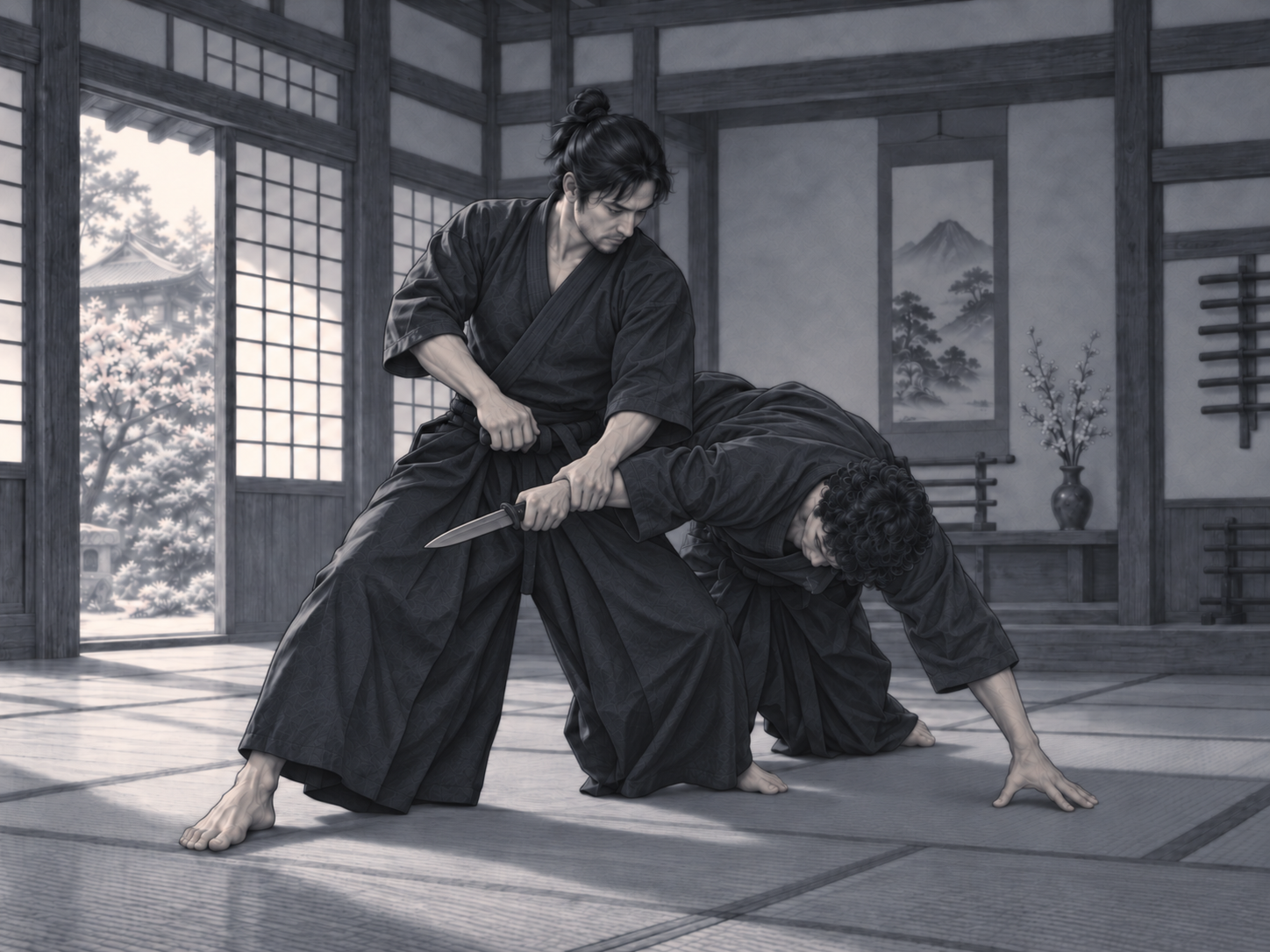
Family of Japanese fighting practices including, depending on the school, grips, throws, joint controls, pins, strikes and sometimes weapons.

Vovinam Việt Võ Đạo is a Vietnamese martial art codified from 1938 onward. It combines hand and foot techniques, throws, leg scissors, wrestling, self-defence, forms and weapons training.
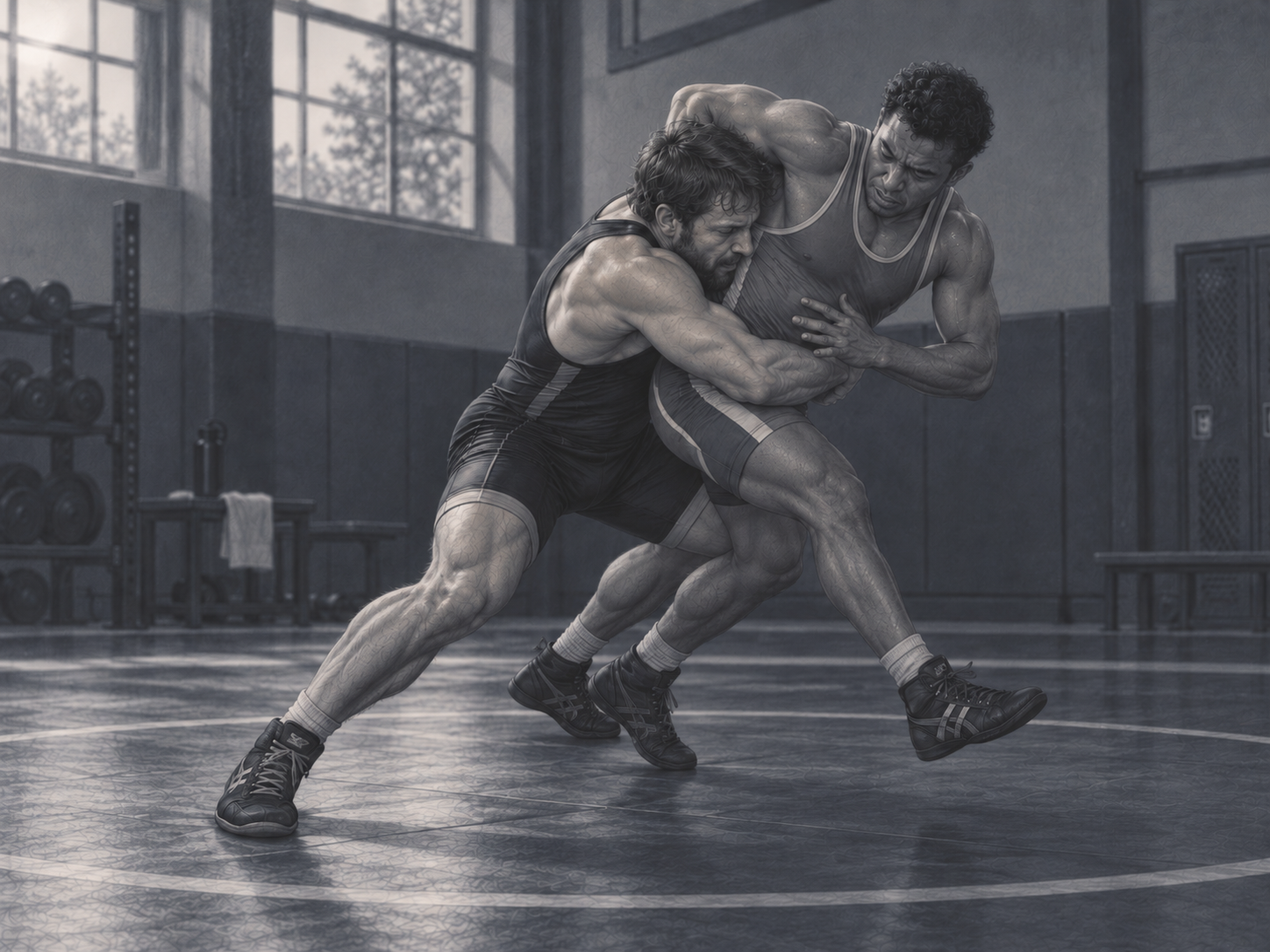
Family of grappling combat sports focused on takedowns, holds, throws and controlling an opponent without strikes.

Yoseikan Budo is a Japanese multidisciplinary martial art developed by Hiroo Mochizuki. It brings together striking, throws, controls, pins and weapons work in one method.
Sports activity instructor and founder of La Tribu dojo. My travels have led me to explore several martial arts. I enjoy helping others discover them, sharing knowledge with respect for partners, and helping everyone find a discipline and style that suits them.
View profileJudo teacher and day-to-day manager of the Club de judo de Barr. He teaches and helps organise the club's activities and daily operations.
View profileStéphane Demri is the founder of École du Chêne et de la Rivière (ECR) in Marseille. He reports being a national Jeet Kune Do instructor and an RDN in JKD for FSC France.
View profileJudo club in Barr offering classes for children, teenagers and adults, from introductory sessions to competition. The club also offers MMA, Chanbara, fitness training, Self Fit, and Jiu-Jitsu.
Explore organisationMartial arts school founded by Stéphane Demri in Marseille. Jeet Kune Do, Filipino Kali, Silat and MMA preparation, according to information supplied by the school.
Explore organisationAn independent project and growing martial arts network based in Mittelbergheim, Alsace. La Tribu dojo connects disciplines, instructors, organisations, venues and activities, and also offers its own workshops, seminars and gatherings.
Explore organisationA sports centre in Barr hosting a wide range of activities. On La Tribu dojo, this page highlights the martial arts organisations and practices that use the venue.
Explore venue